Home › Industrial and Heavy-Duty Asphalt Paving
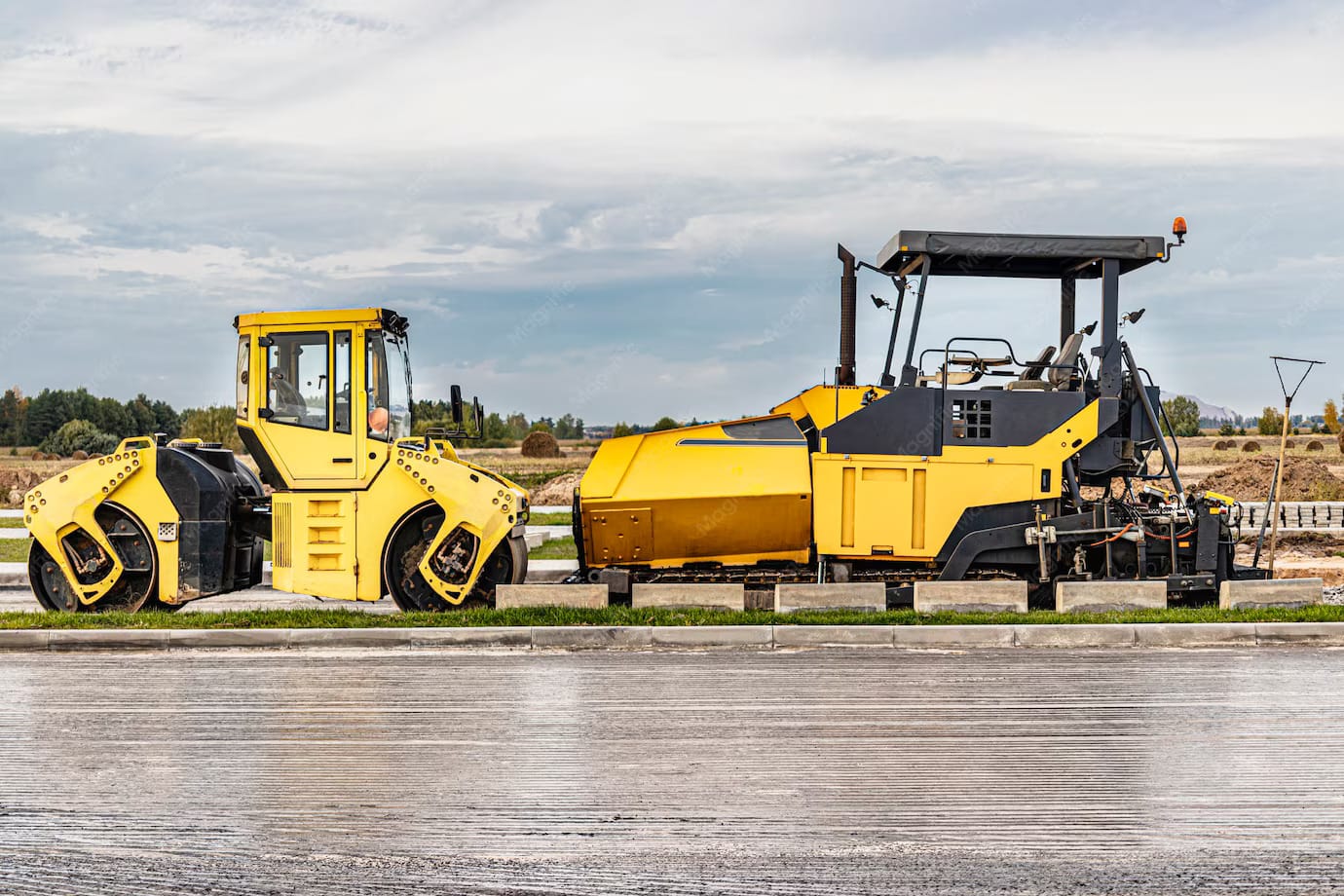
Support heavy traffic and equipment with industrial asphalt paving in Tampa, FL. We design and build pavements for truck yards, loading docks, and warehouses with proper thickness and base support. Our heavy-duty mixes and construction methods help resist rutting and deformation under intense loads.
Precision Asphalt Tampa provides professional industrial asphalt paving throughout Tampa, FL, Florida and the surrounding area. Our licensed, insured crew delivers safe, clean, on-time work with a free estimate before anything begins. Call (813) 694-5697 or request your free quote.
Industrial Asphalt Paving for Tampa’s Toughest Sites
Industrial and heavy-duty asphalt paving is very different from a basic parking lot overlay. The loads are higher, the traffic is harder, and failures cost more. Precision Asphalt Tampa focuses on pavements that carry semi-trucks, forklifts, loaded trailers, container traffic, and heavy equipment across Tampa and the surrounding Hillsborough County area.
On an industrial site, the first decision is always structural: what thickness and what section design will safely handle your operations. We start by asking about your heaviest vehicles, turning patterns, braking areas, and any areas where trucks routinely sit loaded, such as dock aprons and staging lanes. From there we size the stone base and asphalt lifts, often using heavier-duty mixes than you would see in a retail parking lot.
Our industrial asphalt paving work frequently includes distribution centers, cold storage facilities, manufacturing plants, waste and recycling yards, bus and truck depots, and ports-adjacent facilities along I-4 and near the Tampa port. The goal is not just to get a black surface down but to build a pavement structure that survives Florida heat, standing water from summer storms, and heavy wheel loads without rutting or pumping fines out of the base.
Site Evaluation, Subgrade, and Drainage for Heavy Loads
In Tampa, most industrial failures start below the asphalt. Soft subgrade soils, poor drainage, and thin or contaminated base are the main reasons pavements rut, crack, and fail early. Precision Asphalt Tampa begins every industrial asphalt paving project with a ground-up evaluation, not just a surface quote.
We identify existing base thickness by test pits or cores, check for pumping or movement under truck traffic, and locate weak areas like old utility trenches and patched repairs. If your site is in a low-lying or reclaimed area, which is common around Tampa’s industrial zones, we pay special attention to moisture and stability. When needed, we use geotextile fabric or geogrid, thicker graded aggregate base, or cement-stabilized subgrade to lock in support under heavy wheel paths.
Drainage is addressed before paving. We look at how fast standing water clears after a storm, how close asphalt edges are to swales or ponds, and whether existing storm structures are set high or low relative to the finished grade. Industrial pavements in Tampa should not hold water for more than a few hours. If they do, we correct slope where practical, regrade base, adjust inlets, or add underdrains or edge drains in chronic wet spots. This work is not cosmetic: water sitting on or under the pavement rapidly shortens the life of heavy-duty asphalt.
Designing Heavy-Duty Asphalt Sections and Mixes
For industrial asphalt paving, the pavement section and mix design are project-specific. Precision Asphalt Tampa does not use a one-size-fits-all spec from a residential driveway or strip center. We design structures that reflect the number of heavy axle loads, turning movements, and your maintenance tolerance.
A typical heavy-duty truck lane or dock apron might use 6 to 8 inches of compacted crushed base with 3 to 5 inches of asphalt in multiple lifts. In higher risk areas, like trash truck routes or container yards, we often recommend thicker base and a stiffer surface mix, sometimes with polymer-modified binder to improve rut resistance in Tampa’s high pavement temperatures.
We frequently separate the industrial yard into zones. High-load or slow-moving areas, such as around compactors or fueling stations, get the most robust section. Lower load employee parking and drive aisles use a lighter-duty section so you are not paying for heavy-duty pavement where you do not need it. For new construction, we coordinate with your civil engineer to align our field design with the permitted plans, and we will flag areas where the drawings do not fully match your actual operations.
Surface mixes are selected for resistance to rutting, fuel drips, and scuffing from tight truck turns. Where forklifts operate with hard tires, we may recommend a denser surface and tighter joint control to minimize vibration and joint raveling along fork travel paths.
Construction Process: From Milling to Final Roll
Industrial asphalt paving lives or dies on execution. Precision Asphalt Tampa uses a step-by-step approach that is focused on compaction, consistent thickness, and tight joints, which are all critical under heavy truck traffic.
For rehabilitation projects, we often start with milling, either full-depth or partial. In truck lanes and loading areas, we typically avoid simple thin overlays on top of failed pavement, because they mirror the cracks and ruts in a short time. Instead, we mill out the damaged layers, repair any base failures, then rebuild with the appropriate thickness. Milling also allows us to control final grades so that dock heights, thresholds, and drains still work correctly.
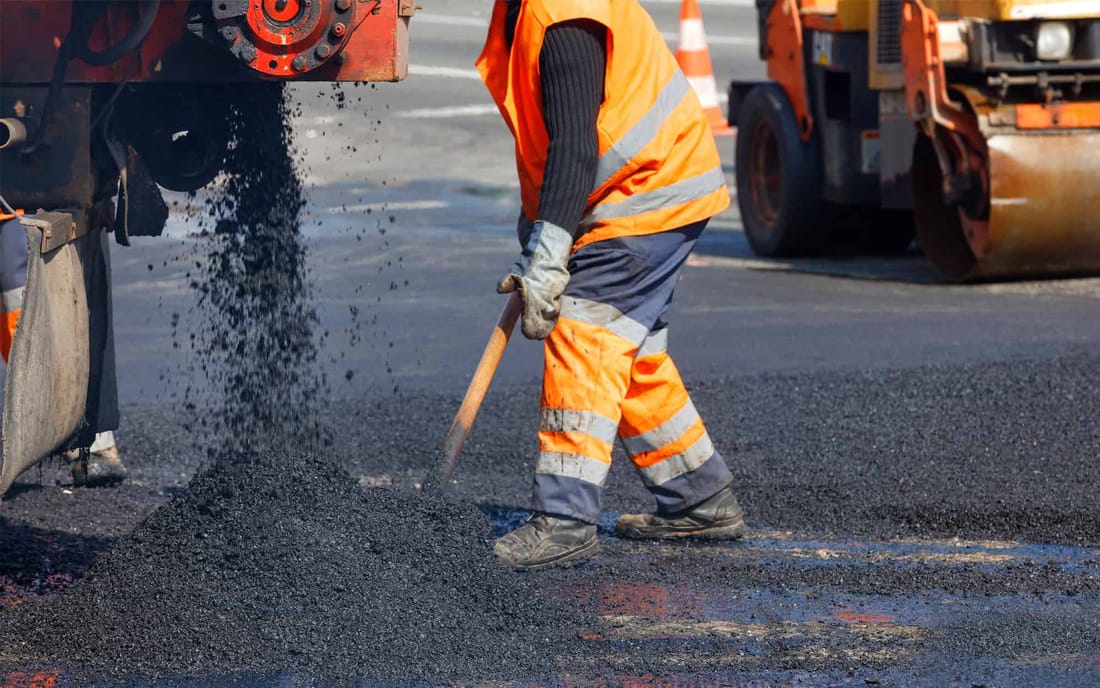
We place base and asphalt in controlled lifts, each compacted to specified density with the right combination of vibratory rollers and pneumatic rollers. On heavy-duty work, we pay special attention to longitudinal joints, where many industrial pavements split or ravel under truck tires. We stagger joints away from truck wheel paths when possible and roll them while the mix is within the optimal temperature range.
Coordination with your operations is part of the process. Industrial facilities in Tampa often run multiple shifts, so we phase the work so critical access lanes and docks stay functional or are shut down for the shortest realistic time. We plan traffic control, signage, and re-striping ahead of time so that once the last roller pass is finished and the asphalt has cooled, you can resume truck operations safely and quickly.
Cost Drivers, Permits, and Common Tampa-Specific Issues
The cost of industrial asphalt paving in Tampa is driven first by structure and preparation, not just the square footage. Major factors include how much existing pavement and base must be removed, the thickness and type of new base, total asphalt thickness and mix type, access limitations for trucks and pavers, and whether night or weekend work is required to avoid disrupting your operations.
Projects that need subgrade stabilization, underdrains, or thicker stone base to handle poor soils will cost more up front but typically save budget by preventing early failure. Complex phasing, such as keeping a high-traffic distribution center open while working in small sections, can also add labor and mobilization costs. Precision Asphalt Tampa is direct about these items during estimating, with line-item clarity so you can see where the money is going.
In Tampa and unincorporated Hillsborough County, industrial asphalt work may trigger site development or right-of-way permits if grades change significantly, drainage is altered, or access points to public roads are modified. For projects that involve new construction or a substantial expansion of impervious area, we coordinate with your engineer and GC to meet SWPPP, erosion control, and stormwater requirements. For overlay or in-kind replacement work within your existing footprint, permitting is usually simpler but still may require coordination with your landlord, industrial park association, or insurance provider.
Common Tampa-specific issues include rapid oxidation from intense sun, softening from high pavement temperatures, and moisture-related base failures in areas with poor drainage or a high water table. To address these, we focus on mix selection that handles high temperatures, adequate base thickness, and realistic slope, plus maintenance plans that include sealing joints and timely patching of early failures before they spread.
Planning, Maintenance, and How Precision Asphalt Tampa Helps You Avoid Downtime
For industrial facilities, the biggest risk is unplanned downtime when a loading area or truck route fails unexpectedly. Precision Asphalt Tampa helps you minimize this risk with practical planning and maintenance, starting before the first load of asphalt arrives.
We map traffic patterns, identify critical lanes, and prioritize phases so that if weather or an unforeseen condition affects the schedule, your most important operations remain workable. We also consider utility access, such as manholes and valve covers, so they are not left in wheel paths where pounding trucks can break rings and lids.
After paving, we discuss realistic cure times, truck loading limits for the first 24 to 72 hours, and what to watch for in the first year. For many industrial sites, we recommend a scheduled inspection program so we can catch rutting, early alligator cracking, oil-damaged spots around fueling areas, or edge failures along dock walls before they expand. Repairs in an industrial yard often involve sawcut and remove, base replacement, and patching with stronger mixes in the wheel paths to restore structural capacity.
When you contact Precision Asphalt Tampa for industrial asphalt paving, expect a field-based assessment followed by a straightforward proposal that focuses on structural performance and operational impact, not just appearance. Our objective is to give you an industrial pavement in Tampa that you can drive on hard, every day, without constant worry about failures, shutdowns, or surprise repair invoices.