Home › Asphalt Sealcoating & Crack Filling
Protect your investment with routine asphalt sealcoating in Tampa, FL. Our team cleans, repairs, and fills cracks, then applies a protective sealer that shields your driveway from sun, rain, and oil. Regular maintenance improves appearance and helps your asphalt last longer.
Precision Asphalt Tampa provides professional asphalt sealcoating throughout Tampa, FL, Florida and the surrounding area. Our licensed, insured crew delivers safe, clean, on-time work with a free estimate before anything begins. Call (813) 694-5697 or request your free quote.
Protecting Tampa Pavement With Proven Sealcoating
In Tampa, asphalt takes a beating from sun, sudden downpours, and daily traffic. Precision Asphalt Tampa focuses on asphalt sealcoating and crack filling that are tailored to our local climate, not a one-size-fits-all formula. Our goal is to slow oxidation from UV exposure, keep water out of the base, and stretch the life of your driveway or parking lot so you avoid a full resurfacing before you really need it.
Instead of just spraying black sealer and leaving, we start by asking how your pavement is used. A neighborhood driveway in Carrollwood with light traffic needs a different sealer mix than a busy parking lot on Dale Mabry with delivery trucks and garbage trucks turning on it every day. We adjust application rate, sand load, and number of coats according to real usage, which is one of the main reasons our work lasts longer and looks better.
As a local company, we also stay familiar with HOA expectations in communities like Westchase and New Tampa. Many associations care about uniform color, clean edges at sidewalks, and specific work hours. We can help you review guidelines before you schedule sealcoating so there are no surprises or violation letters after the work is finished.
Our Asphalt Sealcoating Process Step by Step
Proper sealcoating is a sequence of steps, and skipping any one of them usually shows up a year later in peeling, flaking, or gray spots. Precision Asphalt Tampa follows a consistent process so the coating bonds well to your existing asphalt.
1. Inspection and planning. We walk the job, mark oil spots, potholes, drainage issues, and areas of heavy wear. For commercial lots we review traffic patterns, where cars park overnight, and how to phase the work so you can keep customers coming in.
2. Cleaning and surface prep. We use stiff brooms and power blowers to remove sand, leaves, and loose debris. In areas with heavy buildup, such as along curbs, we may use wire brushing or pressure washing. Any loose aggregate or severely oxidized “flakey” material is removed so we are sealing solid pavement, not debris.
3. Oil treatment and stain removal. Where vehicles frequently park, especially in apartment or condo lots, we apply oil spot primer. This special bonding agent allows the sealer to adhere over petroleum stains that would otherwise cause the coating to peel away.
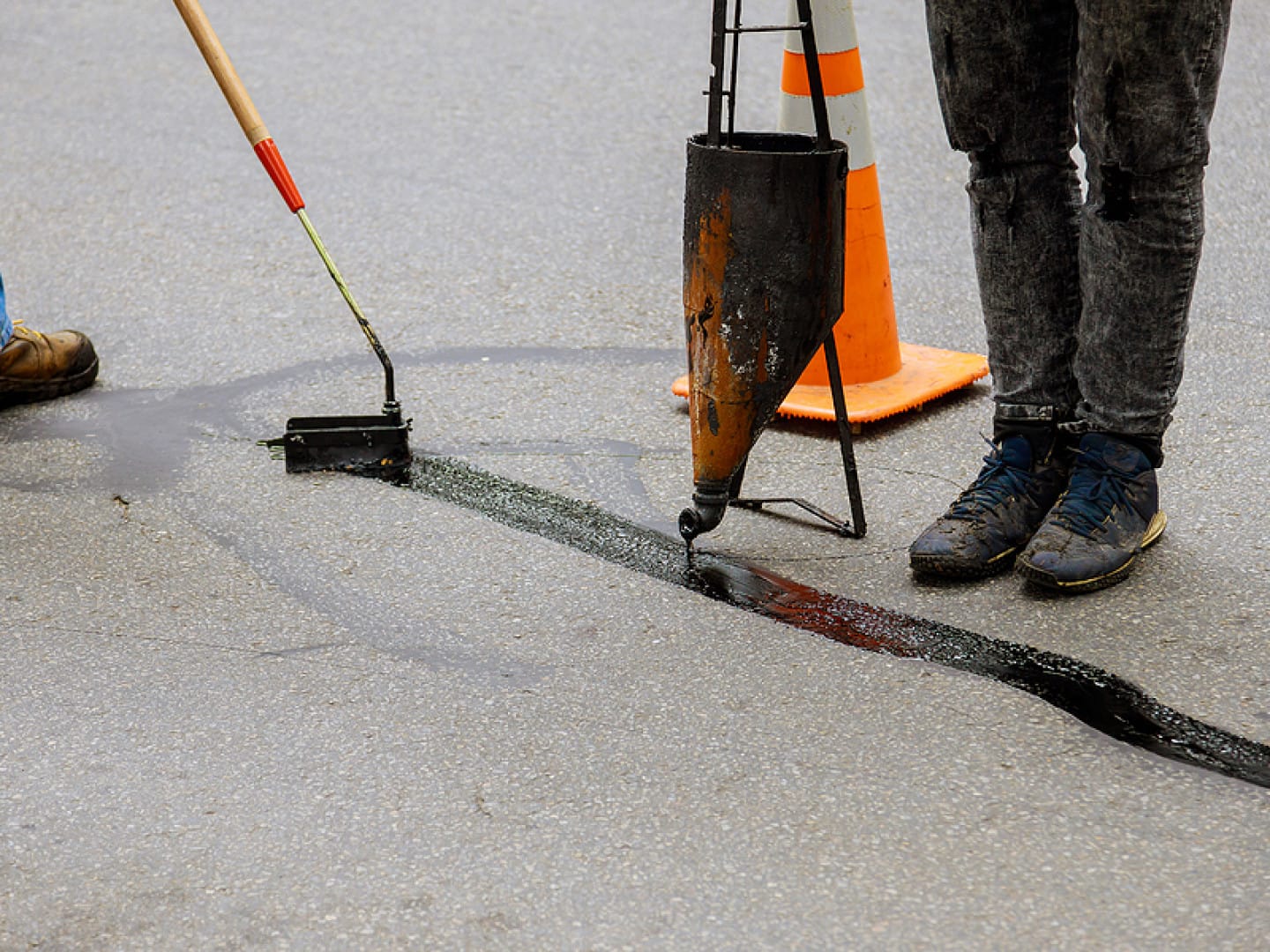
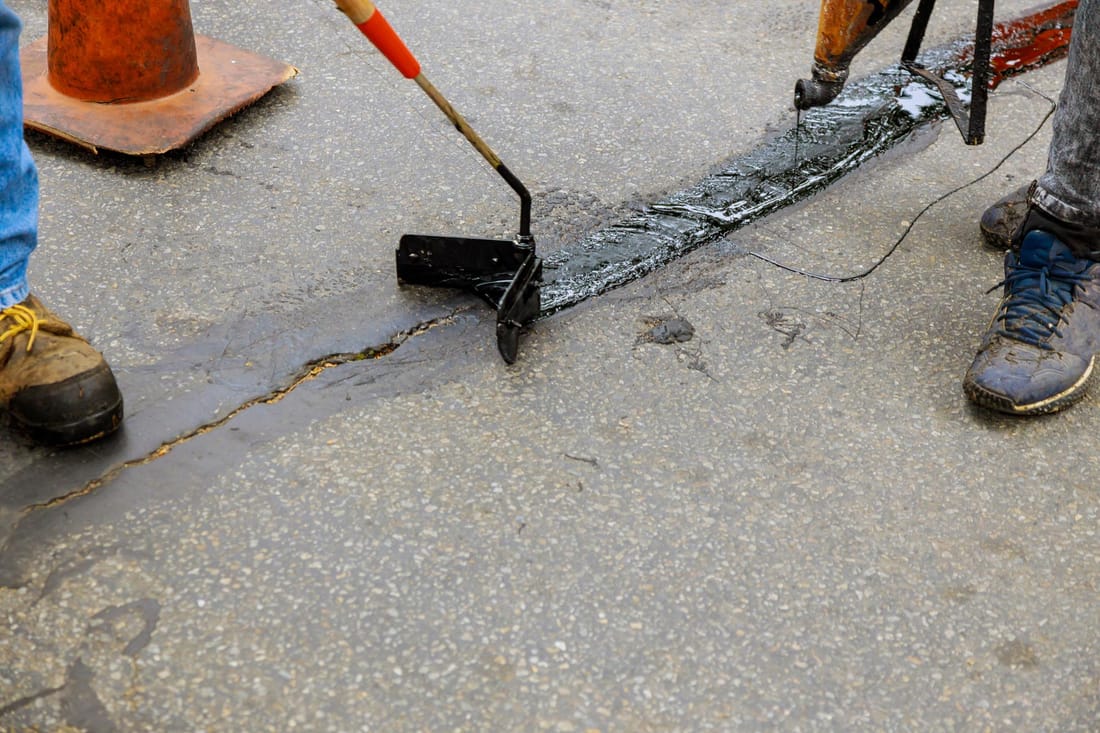
4. Crack filling and minor patching. Before any sealer goes down, we rout and clean cracks as needed and fill them with hot or cold crack sealant depending on width and depth. This step stops water from penetrating into the base and creating bigger structural failures.
5. Application of sealer. We typically use a coal tar or asphalt emulsion sealer with additive and sand, chosen according to use and local environmental preferences. On driveways we usually apply one heavy coat or two lighter coats. On commercial lots we almost always recommend two coats for durability.
6. Curing and reopening. Tampa humidity and temperature affect cure time. In warm, dry conditions, residential driveways are often ready for light foot traffic in a few hours and vehicles in 24 hours. For shaded, damp, or heavily trafficked areas, we may recommend 36 to 48 hours to be safe. We leave you clear instructions and, if needed, barricades or tape to keep vehicles off until the surface has cured.
How Crack Filling Works and Why It Matters in Tampa
Crack filling is more than a cosmetic touch up. In our rainy climate, unsealed cracks act like funnels that deliver water straight to the base of your pavement. Once the base softens, you start to see depressions, spider cracking, and eventually potholes.
Our crack repair process starts by identifying which cracks can be filled and which indicate deeper structural problems. Narrow, linear cracks, called fatigue or stress cracks, are usually candidates for crack sealant. Wide alligator cracked sections that move when you walk on them usually need patching instead. We explain this on site so you know exactly why we recommend one repair method over another.
We clean each crack with high pressure air and, where needed, wire brushing or light routing. This removes dirt, plant growth, and loose material so the crack sealer bonds to clean asphalt on both sides. For residential and light commercial applications we typically use hot-pour rubberized crack sealant that remains flexible in heat, which is important on Tampa pavement that expands under direct sun.
Once the crack filler cools and skins over, we may sand the surface to reduce tracking and create a smoother profile before sealcoating. This extra step gives a more uniform finish so you are not left with shiny lines visible through the new sealer. Correctly sealed cracks combined with a quality sealcoat can significantly slow the spread of future cracking and extend pavement life by several years.
Materials, Options, and What Affects Sealcoating Cost
Not all asphalt sealcoating is the same, and the materials and options you choose affect both performance and price. Precision Asphalt Tampa is upfront about these choices so you can match your budget with your goals for the property.
Material type. We primarily work with asphalt emulsion sealers because they perform well in our climate and are less harsh on surrounding landscaping. For high traffic commercial sites, we may recommend a premium sealer with performance additives to resist scuffing and fuel spills.
Sand and additive load. Adding sand to the sealer improves skid resistance and wear. Higher sand loads are ideal for parking stalls and drive lanes but cost a bit more because more product is used and it takes longer to apply. Latex or polymer additives improve flexibility, bonding, and curing time, which can be helpful when you need to reopen a busy lot quickly.
Number of coats. One coat is typically adequate for newer, less oxidized residential driveways. Two coats are better for older surfaces or any commercial property with turning truck traffic or heavy daily use. While two coats cost more up front, they usually extend the interval before your next sealcoating cycle.
Surface condition and prep. Pavement that is relatively clean and in good condition is faster and less expensive to prep. Lots with heavy vegetation in cracks, extensive oil damage, or many potholes will require more labor and materials before we can even start sealcoating.
Access and layout. Small, tight driveways or complex parking lots with many islands, loading zones, and drive-thru lanes take more time to edge and tape off. We account for this in your quote and explain how phasing or re-striping might affect final cost.
Scheduling, Permits, and Working Around Your Tampa Property
Most asphalt sealcoating and crack filling projects in Tampa do not require a building permit, but there are practical scheduling and coordination details that matter. Precision Asphalt Tampa works these out with you ahead of time so you are not scrambling on the day of the job.
HOA and property rules. Many homeowner associations and commercial property managers require prior notice before sealcoating or have rules about when you can block driveways or parking areas. We can provide a written scope of work, site map, and proof of insurance you can submit to your HOA or management company for approval.
Weather and rainy season. Tampa’s wet season can be tricky for sealcoating. We monitor forecasts and avoid scheduling work on days with a high likelihood of afternoon storms. If a sudden storm threatens during your project, we have contingency plans for stopping cleanly and resuming once the surface is dry again, so you do not get streaks or wash marks.
Traffic control and access. For homes, we help you plan where to park vehicles and how to access your front door while the driveway cures. For businesses, we schedule work during off-hours, in phases, or on weekends so you can keep as many spaces open as possible. We provide cones, tape, and signage as needed so drivers know which areas are closed.
Environmental considerations. We are careful with sealer along storm drains and retention ponds, which are common in Tampa neighborhoods. Our crews avoid washing tools or excess material into drains, and we follow manufacturer and local guidelines for handling and disposing of any waste.
What Tampa Property Owners Should Do Before and After Sealcoating
A few simple steps on your part can improve results and minimize disruption. Before we arrive, we ask that you move vehicles, trailers, and portable basketball hoops from the work area. If sprinklers are on a timer, turn them off the night before and the day of service so the pavement is dry when we start and stays dry while the sealer cures.
If you have concerns about drainage or standing water, point those out during our walkthrough. Sometimes minor grading adjustments or patching low spots before sealcoating can prevent puddling that would otherwise cause premature wear of the new surface.
After sealcoating, avoid driving, parking, or turning steering wheels in place until we confirm the surface has cured. In hot Tampa weather, fresh sealer can be soft for the first few days. Tight turns by power steering can scuff the finish, especially in cul-de-sacs and driveway entrances. We provide written care instructions that cover when to resume normal use, how to handle minor tire marks, and what to avoid, such as placing motorcycle kickstands or sharp objects on the surface during the first week.
We also recommend a simple maintenance routine: sweeping or blowing off sand and leaves a few times a year and addressing new cracks promptly instead of waiting until your next full sealcoat. These habits help you get the maximum life from the work you just invested in.
Why Work With Precision Asphalt Tampa for Sealcoating & Crack Filling
Precision Asphalt Tampa is built around local relationships. Our crews live and work in the Tampa area, so the driveways, church lots, medical offices, and HOAs we maintain are places we actually visit. That perspective shapes how we approach each project.
We do not treat sealcoating as a quick cosmetic job. Every proposal we write starts with what your pavement needs structurally, then we design the sealcoat and crack filling around that. For some owners, that means a simple maintenance coat with a few crack repairs. For others, especially older lots, that might mean limited patching now with a plan for heavier work in a few years. Our goal is to extend the life of your asphalt in stages, not push you into immediate replacement.
You can expect clear communication about schedule, costs, and what is included. We walk you through the prep work, materials, and drying times before we start. During the job, a foreman is on site to answer questions and adjust to any unexpected conditions, such as hidden soft spots or additional cracks that open up during cleaning.
When the work is complete, we review the finished pavement with you, point out repaired areas, and give you practical guidance on when to plan your next maintenance cycle based on real site conditions, not a generic timeline. If you are in Tampa or nearby communities and want asphalt sealcoating and crack filling done thoughtfully, with an emphasis on long-term performance, Precision Asphalt Tampa is ready to help.