Home › Asphalt Pathways, Sidewalks, and Trails
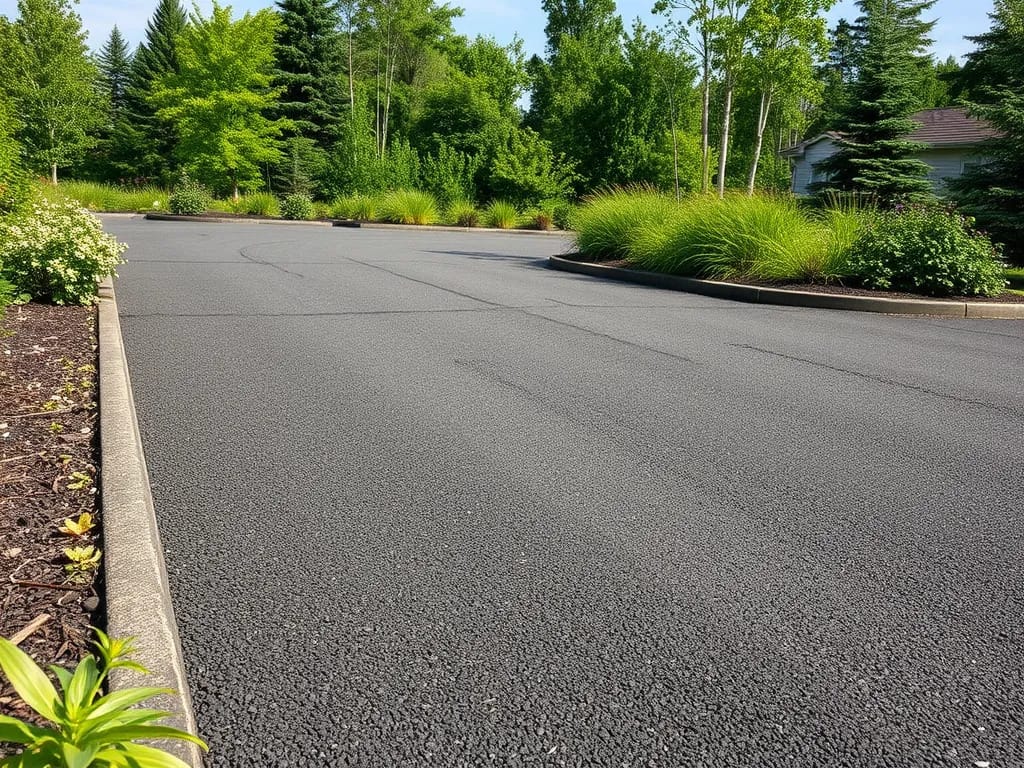
Connect people and places with smooth asphalt pathway paving in Tampa, FL. We build sidewalks, multi use trails, and bike paths that are comfortable, safe, and ADA conscious. Our team shapes routes around parks, campuses, and communities for reliable year round access.
Precision Asphalt Tampa provides professional asphalt pathway paving throughout Tampa, FL, Florida and the surrounding area. Our licensed, insured crew delivers safe, clean, on-time work with a free estimate before anything begins. Call (813) 694-5697 or request your free quote.
Asphalt Pathways, Sidewalks, and Trails in Tampa
Neighborhoods and properties across Tampa are adding more walkable space every year, and asphalt is often the best way to do it. Precision Asphalt Tampa focuses on asphalt pathway paving that holds up to Florida sun, sudden storms, and heavy foot traffic.
We build and repair walking paths, small community trails, and sidewalk-style walkways for HOAs, apartment complexes, schools, churches, business parks, and private landowners. Whether you are connecting a parking lot to a front door, looping a walking trail around a retention pond, or adding a paved path between buildings, we design the asphalt surface to match how people actually move through the space.
Our team is local to the Tampa area, so we are familiar with city and county expectations, drainage issues around flat lots, and how soft the soil gets after a week of afternoon thunderstorms. Every pathway, sidewalk, or trail project is planned around those conditions so the pavement stays smooth and safe for as long as possible.
Site Evaluation, Layout, and Permits
Before any asphalt pathway paving begins, we walk the site with you. We look at how people will use the path, existing slopes, low spots that collect water, tree locations, and nearby structures. In Tampa, drainage and tree roots are the two main reasons pathways fail early, so we pay close attention to both from day one.
We take elevations with a laser level or transit to confirm water will run off the pavement into grass or swales rather than back toward buildings or into walkways. For trails around ponds or retention areas, we consider seasonal water levels and place the finished grade high enough to stay functional even during summer downpours.
Layout is marked with paint and flags so you can see the exact path alignment and width before any digging happens. Standard walking paths are often 4 to 6 feet wide, while multi use trails or connections to school and park facilities may be 8 to 10 feet. We adjust widths for pinch points between trees, utility boxes, and fences, but keep accessibility and comfort in mind.
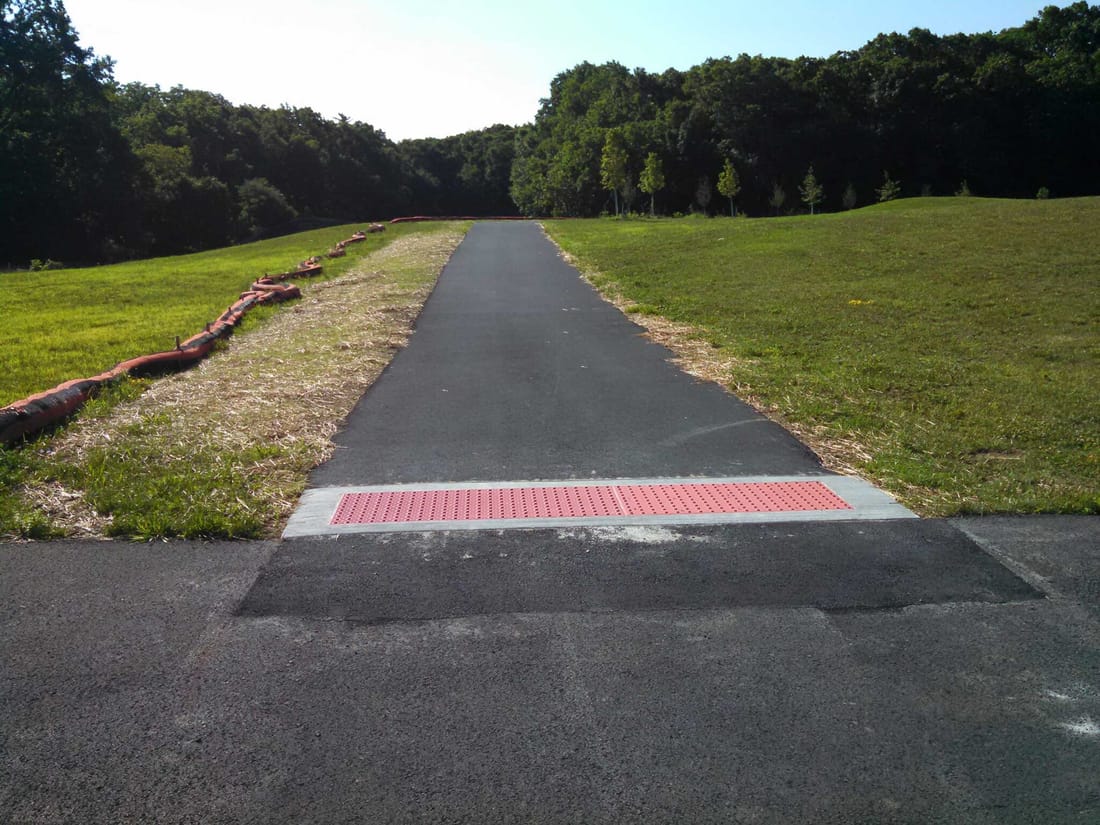
For work in the public right of way or tying into city sidewalks, we coordinate with you on permitting based on Hillsborough County and City of Tampa requirements. We are familiar with basic ADA slope and cross slope guidelines for pedestrian routes and can incorporate detectable warning pads at street crossings if needed.
Base Preparation and Drainage for Tampa Conditions
Good asphalt pathways and sidewalks start below the surface. Tampa soils are often sandy with soft spots, and heavy rain can quickly undermine a path that does not have a stable base.
We begin by stripping grass and organic material down to a firm subgrade. Any soft, pumping areas are undercut and backfilled with compactible aggregate. In low areas or near retention ponds we may use a heavier base rock and thicker section to handle occasional standing water or maintenance vehicle traffic.
A typical pathway section includes 3 to 6 inches of compacted crushed stone or limerock base, compacted with a vibratory roller or plate compactor in layers. For small, narrow paths in backyards where access is tight, we use smaller equipment but still achieve the same density. If your path needs to handle golf carts, utility vehicles, or occasional delivery trucks, we increase base thickness and may add a stabilizing fabric between soil and base to prevent mixing.
We set the base with a slight crown or consistent cross slope, usually 1.5 to 2 percent, so water sheds to the side instead of ponding on the surface. In flat areas, we may add shallow swales or connect the path to existing drains to keep water away from buildings and play areas.
Asphalt Mixes, Thickness, and Edge Options
Once the base is ready, we install the asphalt. For most pedestrian pathways and sidewalks in Tampa, a 1.5 to 2 inch compacted asphalt surface is appropriate, but we adjust thickness depending on traffic. For paths that will see golf carts, maintenance trucks, or trash carts, 2 to 3 inches is usually recommended for durability.
We typically use a fine graded surface mix for pathways and trails. The smaller stone size makes the surface smoother and more comfortable for walkers, joggers, strollers, and bicycles. Around schools, playgrounds, and senior living communities, we lean toward the finest practical gradation to reduce trip points and make mobility devices roll more easily.
Edges matter on narrow pathways. We can leave compacted soil shoulders, backfill grass slightly above the asphalt, or add concrete or paver borders where a crisp architectural look is desired. In high washout areas or next to steep slopes, we may suggest widening the asphalt slightly or adding a compacted aggregate shoulder to protect the edge from breaking off.
Color and texture options are available too. While most paths are standard black asphalt, we can discuss sealcoat with striping to define lanes or highlight crosswalks. For trails that intersect vehicle drives, we can add reflective striping or thermoplastic markings for visibility at night and during storms.
Accessibility, Safety, and Local Use Cases
Many Tampa property managers call Precision Asphalt Tampa to fix uneven, cracked, or lifted sidewalks that create trip hazards. When we build new asphalt pathways, we design them to stay smooth and accessible for as long as possible.
We pay attention to entrance transitions where a path meets a parking lot, curb, or existing sidewalk. Slopes are kept gentle and consistent so wheelchairs, walkers, and strollers can move without catching wheels or dragging footplates. At drive crossings we can install asphalt ramps or coordinate with concrete apron work so the change in surface is obvious but not jarring.
For HOA neighborhoods, common uses include connecting cul de sacs to clubhouse areas, building walking loops around ponds, and creating safe routes to mail kiosks or playgrounds. At churches and schools, leaders often want overflow walkways to handle large events so people are not walking in grass or mud. Business parks frequently add pathways between buildings to encourage walking breaks and improve campus feel.
Lighting and visibility are also part of safety. While we do not install electrical systems, we lay out paths with future lighting in mind and mark conduit locations if your electrician will add fixtures later. Reflective pavement markings or bollards can be added where a path crosses vehicle drives or parking aisles.
Costs, Common Problems, and Maintenance Planning
The cost of asphalt pathway paving in Tampa depends on several specific factors: total length and width, required base thickness, site access, tree and root issues, and any drainage work or demolition needed. Narrow backyard access that requires smaller equipment can add labor. Removing old concrete or failing asphalt adds disposal costs but is often necessary to prevent future settlement.
Tree roots are one of the biggest challenges in local pathways. We work with you to decide whether roots must be cut and managed, the path should be routed around the tree, or a thicker section with root barrier is justified. In some cases, a small alignment shift of a foot or two can avoid aggressive roots and dramatically extend pavement life.
Common problems we are asked to repair on older pathways include longitudinal cracking along the edges, ponding low spots, and trip lips where roots have lifted the surface. When repair makes sense, we may mill or sawcut the affected area, install new base if needed, and patch with fresh asphalt blended smoothly into the surrounding surface. For widespread aging, resurfacing the entire path with a new overlay can be more cost effective than patching each spot.
Basic maintenance significantly extends lifespan. We usually recommend crack filling once cracks reach about a quarter inch, and periodic sealcoating on high sun exposure paths to slow oxidation. We can schedule routine inspections with property managers or HOA boards so issues are caught when they are small and inexpensive to fix.
Why Work With Precision Asphalt Tampa for Your Pathway Project
Precision Asphalt Tampa is focused on practical, long lasting asphalt solutions tailored to our local environment. Instead of treating pathways, sidewalks, and trails like smaller parking lots, we design them around how your residents, visitors, and staff actually use the space.
We provide clear, itemized proposals that separate base work, asphalt thickness, and optional features like striping or concrete tie ins. That way you can adjust scope to fit budget while understanding exactly what is included. During construction, we coordinate access, posting, and work hours to minimize disruption, especially around schools, churches, and multifamily communities.
From a short connector sidewalk to a full loop walking trail around your Tampa property, our team handles layout, grading, paving, and follow up maintenance. If you are comparing options, we are glad to walk your site, point out potential issues such as drainage or roots, and give straightforward recommendations so you can choose the right pathway solution for your needs.